
- info@getrpl.net.au
- Unit 2A, 40 Lord Street, East Perth, W.A. 6004



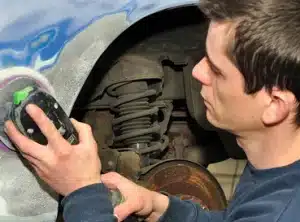
This qualification defines the skills and knowledge required of an engineering tradesperson – mechanical within metal, engineering, manufacturing and associated industries. The qualification has been specifically developed for apprentices in the above trade.
This qualification must be undertaken through a Training Contract or through formal trade recognition assessment processes.
The skills associated with this qualification are intended to apply to a wide range of mechanical trade work, including undertaking fitting, assembly, manufacture, installation, modification, testing, fault finding, maintenance and service of mechanical equipment, machinery and the use of machine tools.
This qualification is designed to provide an industry recognised skills profile related to trade work as an Engineering Tradesperson – Mechanical.
Assessment of some units of competency must, where indicated, include evidence of the candidate’s performance in a functioning workplace where there is a sufficient range of appropriate tasks and materials to cover the scope of application of those units. All outcomes must reflect the standard of performance inherent in the job.
Description:
This qualification defines the skills and knowledge required of an engineering tradesperson – mechanical within metal, engineering, manufacturing and associated industries. The qualification has been specifically developed for apprentices in the above trade.
This qualification must be undertaken through a Training Contract or through formal trade recognition assessment processes.
The skills associated with this qualification are intended to apply to a wide range of mechanical trade work, including undertaking fitting, assembly, manufacture, installation, modification, testing, fault finding, maintenance and service of mechanical equipment, machinery and the use of machine tools.
This qualification is designed to provide an industry recognised skills profile related to trade work as an Engineering Tradesperson – Mechanical.
Assessment of some units of competency must, where indicated, include evidence of the candidate’s performance in a functioning workplace where there is a sufficient range of appropriate tasks and materials to cover the scope of application of those units. All outcomes must reflect the standard of performance inherent in the job.
All statistics are supplied by the National Centre for Vocational Education Research
The RPL process typically takes up to 4 weeks from the submission of sufficient evidence.
Support and GuidanceThroughout the RPL process, you will receive guidance and support from our experienced assessors and support staff to ensure a smooth and successful assessment.
Start Your Journey TodayTake the first step towards formalizing your skills and advancing your career. Contact us for a free consultation and begin your RPL process now.
- Contact us for a free consultation to discuss your eligibility and the RPL process.
- Complete a preliminary skills assessment to identify your competencies.
- Gather and submit documentation and evidence of your skills and experience.
- Our assessors will guide you on the types of evidence required.
- Our registered training organization (RTO) partners will review your submitted evidence.
- You may be asked to provide additional information or undertake practical assessments if needed.
- Once your evidence is reviewed and competencies are confirmed, you will be awarded the relevant Certificate.
- Receive your nationally recognized qualification and certification documents.
The RPL process typically takes up to 4 weeks from the submission of sufficient evidence.
Throughout the RPL process, you will receive guidance and support from our experienced assessors and support staff to ensure a smooth and successful assessment.
Take the first step towards formalizing your skills and advancing your career. Contact us for a free consultation and begin your RPL process now.